Sciatica & Radiculopathy
Get emergency care now (call 911 or go to an emergency room) if you have:
- new loss of bladder or bowel control, or difficulty passing urine
- numbness in the groin, buttocks or inner thighs (saddle area)
- weakness in both legs, or leg weakness that is getting worse quickly
See a clinician before starting if:
- pain spreads below the knee with numbness or weakness
- the pain started after a fall or injury
- you have fever, unexplained weight loss, or a history of cancer
- the pain is worse at night and not eased by rest or changing position
Talk to your doctor first. General education, not medical advice.This content is general education, not medical advice, diagnosis or treatment. Get approval from your physician or another qualified healthcare provider before starting any exercise program, especially if you have a medical condition, a recent injury or surgery, are pregnant, or take medication. Stop and seek medical advice if an exercise causes pain, dizziness, chest discomfort or shortness of breath. You choose to exercise at your own risk. Read the full medical disclaimer.
Free daily checklist
Follow this routine day by day
Open a checklist on your phone with the videos, a tick box for each exercise and your last 7 days. You can print a tracker too. No sign-up: your check marks stay on your device.
Start with phase 1 unless your clinician tells you otherwise, and move on when it feels easy. Physical therapist or assistant? Customize this routine for a patient.
Recommended Exercise Sequence
Start with pain-centralizing positions and gentle nerve glides. Avoid prolonged sitting, forward bending, and heavy lifting during the acute phase. Progress to stabilization once leg pain has centralized.
Get one exercise a week by email
A short video, simple steps and a free printable routine, every Tuesday. Free, and you can unsubscribe anytime.
We only use your email for this newsletter. Privacy policy
Video Demonstrations
Watch these exercise demonstrations from the protocols referenced above to ensure proper form.
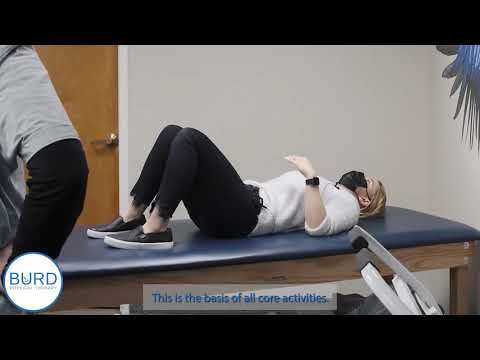
Pelvic Tilts
Gentle pelvic mobility exercise from Phase 1 — Pain Relief & Mobility
Why this exercise for sciatica
Clinical rationale
Pelvic tilts are one of the safest entry points for sciatica because they engage the deep core stabilizers (transversus abdominis, multifidus) without compressing the lumbar discs or stretching irritated nerve roots. In the acute pain-relief phase, controlled neutral-spine activation reduces protective muscle guarding and improves segmental stability.
Modifications for sciatica
- If lying flat aggravates leg pain, place a pillow under your knees to reduce neural tension
- Keep the tilt gentle (20-30% effort) — over-bracing can compress nerve roots
Safety notes
- Stop and consult a clinician if pelvic tilts increase leg pain, numbness, or weakness
- Red flags: bowel/bladder changes, saddle anesthesia, progressive weakness (seek immediate care)
Pairs with: Phase 1 — Pain Relief & Centralization. See the full Pelvic Tilts protocol for step-by-step instructions.

Seated Knee-to-Chest Stretch
Core stabilization exercise from Phase 2 — Nerve Gliding & Stabilization
Why this exercise for sciatica
Clinical rationale
The seated knee-to-chest stretch decompresses the lumbar foramen — the openings where spinal nerve roots exit. For sciatica caused by disc bulge or facet joint inflammation, gentle traction-style flexion creates temporary symptom relief and helps reset protective muscle guarding.
Modifications for sciatica
- Hug your knee at the shin (not the kneecap) to keep the pull symmetrical
- Do the unaffected leg first — establish a baseline before challenging the painful side
- For piriformis-related sciatica, cross the affected ankle over the opposite knee before pulling
Safety notes
- Stop if the stretch reproduces shooting leg pain (different from a deep stretch sensation)
- Avoid forceful flexion during acute disc-related flare-ups
Pairs with: Phase 2 — Nerve Gliding & Stabilization. See the full protocol for variations.
Exercise Tips for Success
Avoid aggravating positions. Prolonged sitting and forward bending often increase sciatic symptoms. Take frequent standing breaks and use a lumbar support cushion when seated.
Start with nerve-friendly movements. Begin with Phase 1 gentle mobility exercises only. Nerve gliding exercises should feel like a mild stretch, never sharp pain. If symptoms radiate further down the leg, reduce the range of motion.
Consistency over intensity. Studies suggest that performing shorter exercise sessions (10–15 minutes) 5 days per week produces better outcomes than one long session. Pair exercises with an existing daily habit.
Track your centralization. A positive sign of recovery is when pain moves from the leg back toward the spine (centralization). Use the printable exercise handout to track which exercises promote this pattern.
What to Expect
Sciatica usually improves within a few weeks to a few months. A good early sign is centralization: leg pain retreating toward the lower back. Numbness and tingling often settle last, and some back pain may linger after leg pain eases. Track weekly trends rather than day-to-day changes. Sitting is often the most aggravating position, so use lumbar support and take regular standing breaks.
When to See a Provider
- Loss of bowel or bladder control (cauda equina syndrome — EMERGENCY, seek immediate care)
- Saddle anesthesia (numbness in the groin/inner thigh area)
- Progressive weakness in the foot or leg (foot drop)
- Bilateral leg symptoms (both legs affected)
- Severe pain uncontrolled by any position or medication
- Pain following significant trauma
BackgroundAbout Sciatica & Radiculopathy: overview, why exercise helps, symptoms and risk factors
Condition Overview
Sciatica refers to pain radiating along the sciatic nerve — from the lower back through the buttock and down the posterior leg — typically caused by disc herniation, spinal stenosis, or piriformis syndrome compressing a lumbar nerve root. Lumbar radiculopathy affects 3–5% of adults, with L4-L5 and L5-S1 levels most commonly involved. While most cases resolve within 6–12 weeks with conservative management, targeted exercise is commonly used to support recovery and reduce the chance of recurrence. Directional preference exercises (McKenzie method), nerve gliding, and progressive core stabilization form the treatment foundation.
Why Exercise Helps
- Centralizes pain — Directional exercises can shift radiating leg pain back toward the spine, indicating nerve decompression and favorable prognosis.
- Reduces nerve compression — Specific positions and movements create more space around irritated nerve roots.
- Restores nerve mobility — Neural gliding techniques reduce adhesions and improve the nerve’s ability to slide freely through surrounding tissues.
- Supports recurrence prevention — Core stabilization training is widely used to help reduce the likelihood of recurrent disc problems, though individual results vary.
- May help you avoid surgery — Many people with sciatica improve without an operation. In trials, results with non-surgical care and surgery were often similar after one to two years, although surgery relieved leg pain faster for some people.
Common Symptoms
Sciatica typically presents as sharp, shooting, or burning pain that radiates from the lower back through the buttock and down the back of one leg, often following the path of the sciatic nerve. Many people experience numbness, tingling, or a pins-and-needles sensation in the leg or foot, along with muscle weakness that may cause difficulty lifting the foot (foot drop) or rising from a seated position. Pain often worsens with prolonged sitting, coughing, or sneezing, and may be relieved by lying down or walking. In severe cases, loss of bladder or bowel control requires emergency medical attention.
Risk Factors
- Age — Degenerative spinal changes between ages 30-50 increase herniation risk
- Prolonged sitting — Sustained compression on lumbar discs and sciatic nerve
- Occupation — Jobs involving heavy lifting, twisting, or vibrating machinery
- Obesity — Excess weight increases mechanical stress on the lumbar spine
- Diabetes — Nerve damage from elevated blood sugar increases susceptibility
- Sedentary lifestyle — Weak core and posterior chain muscles reduce spinal support
- Previous lumbar injury — Prior disc herniation or spinal stenosis episodes
Frequently Asked Questions
What is the McKenzie method for sciatica?
The McKenzie method uses repeated movements in one direction, often backward bending such as prone press-ups, to find a “directional preference”: a movement that eases leg pain or draws it back toward the spine. Some people find it helpful, though research results are mixed.
Should I stretch or strengthen for sciatica?
Both, but in the right sequence. Start with gentle nerve gliding and directional preference exercises for pain relief, then progress to core stabilization and strengthening as symptoms improve. Avoid aggressive hamstring stretching in the acute phase, as it can irritate the sciatic nerve.
What is the difference between sciatica and radiculopathy?
Sciatica refers to pain radiating along the sciatic nerve path (buttock and leg). Radiculopathy is the broader medical term for nerve root compression causing pain, numbness, tingling, or weakness in the affected nerve distribution. Sciatica is the most common type of lumbar radiculopathy.
Is walking good for sciatica?
Gentle walking is usually helpful because it keeps you active and limits stiffness. Start with short, flat walks and build up gradually. If walking clearly increases leg pain or numbness, shorten the distance or slow down, and talk to your clinician.
Should I get surgery for a herniated disc?
Usually not as a first step. In trials (for example Peul and colleagues, NEJM 2007), surgery relieved leg pain faster, but by about a year outcomes were similar to prolonged non-surgical care. Surgery is usually discussed when severe leg pain continues despite 6–12 weeks of good non-surgical care, or sooner if weakness is getting worse. Numbness around the genitals or bottom, or new bladder or bowel problems, is an emergency.
Is physical therapy or chiropractic better for sciatica?
Both can help. PT has more robust evidence for radicular leg pain specifically and is the first-line referral in most guidelines. Chiropractic spinal manipulation can help some cases, particularly in early sciatica without severe neurologic features. See the detailed comparison: Physical Therapy vs Chiropractic for Sciatica.
Can I make sciatica worse by exercising?
Usually not, if you choose your movements well. A helpful sign is centralization: if a movement makes leg pain move up toward your back, that is generally a good sign. If it pushes pain further down the leg or makes it clearly worse, avoid that movement for now. Most programs start with positions that calm symptoms and progress as tolerated.
How long does sciatica usually last?
The NHS says sciatica usually improves within a few weeks to a few months, though it can last longer and can come back. Improvement is often gradual, with ups and downs along the way.
Should I stay in bed when sciatica flares?
No. Bed rest is not recommended. Trials comparing bed rest with staying active found no benefit from bed rest. Stay as active as your symptoms allow, change activities that clearly worsen leg pain, and keep up gentle exercises during flares.
What about epidural steroid injections?
Injections are an option for moderate-to-severe radicular pain that hasn’t responded to 4–6 weeks of conservative care. They provide short-to-medium term relief (weeks to months) for some patients, but are not generally considered to change long-term outcomes versus conservative care alone. Best used as a bridge to allow more aggressive rehab, not as standalone treatment.
References
- Ropper AH, Zafonte RD. Sciatica. N Engl J Med. 2015;372(13):1240-1248. PubMed
- NICE Guideline NG59: Low back pain and sciatica. Updated 2020. NICE.org.uk
- Weinstein JN, et al. Surgical vs nonoperative treatment for lumbar disc herniation: SPORT. JAMA. 2006;296(20):2441-2450. PubMed
- Albert HB, Manniche C. The efficacy of McKenzie therapy in treating disc-related sciatica. J Manipulative Physiol Ther. 2012;35(1):7-17. PubMed
- Fernandez M, et al. Surgery or physical activity for sciatica. Eur Spine J. 2016;25(11):3495-3512. PubMed
Deep dive
What the evidence says about sciatica and lumbar radiculopathy
True sciatica — leg pain following a specific nerve root distribution — affects about 3–5% of adults in their lifetime and accounts for roughly 5–10% of all chronic back pain presentations. The majority of cases improve significantly within 6–12 weeks regardless of the treatment chosen. The job of a good protocol is to support that natural recovery while preventing flare-ups and avoiding interventions you don’t need.
What the major guidelines recommend
NICE (UK, NG59, updated 2020): Recommends exercise and self-management support, with manual therapy or psychological therapy alongside exercise for some people. Imaging should not be offered routinely in non-specialist settings; specialist imaging is considered only if the result is likely to change management. Epidural injections of local anesthetic and steroid can be considered for acute and severe sciatica.
American College of Physicians (ACP): Recommends non-pharmacologic management for acute and chronic radiculopathy without red flags. Specifically lists exercise therapy, spinal manipulation, and mindfulness-based approaches.
North American Spine Society (NASS): Surgery is appropriate when conservative care has failed after 6–12 weeks AND there is correlating imaging AND severe disabling pain or progressive neurologic deficit. Surgery and conservative care produce similar long-term outcomes (at 1–2 years) for most cases of lumbar disc herniation.
Centralization — the most useful concept in sciatica self-management
If specific movements make your leg pain move UP toward your back, that’s a good sign — it suggests the irritation is reducing and the nerve is being decompressed. This is called centralization. The McKenzie method is built around finding the “directional preference” that centralizes your symptoms and using that direction as your treatment.
For most disc-related sciatica, extension (gentle backward bending, like cobra or prone press-ups) centralizes symptoms. For some, flexion (knees-to-chest, child’s pose) centralizes instead. Pay attention to which direction makes the LEG pain quieter — that’s your direction of preference. The 6-Week Low Back Pain Recovery protocol on this site builds this directional bias in.
Why it happens — the anatomy of nerve root pain
The sciatic nerve is formed from nerve roots L4, L5, S1, S2, and S3. When a disc bulges, a facet joint becomes inflamed, or the bony canal narrows (stenosis), it can compress one or more of these roots where they exit the spine. The pain you feel down the leg follows the specific dermatome of that root.
- L4 root — pain into the front of the thigh and inside of the shin; weak knee extension
- L5 root — pain into the outside of the thigh and shin, top of the foot; weak big toe extension
- S1 root — pain into the back of the thigh, calf, outside of the foot; weak ankle plantarflexion
Knowing which root is involved doesn’t change the immediate management — the conservative protocol is similar — but it helps your medical team correlate symptoms with imaging if a workup becomes necessary.
When sciatica is a medical emergency
Get immediate medical attention (ER) if you have:
- Cauda equina syndrome: loss of bowel or bladder control, saddle-area numbness, sexual dysfunction — surgical emergency
- Progressive motor weakness: foot drop that’s getting worse over days, inability to lift the front of your foot
- Bilateral leg symptoms: sciatica down BOTH legs, especially if new
- Severe unrelenting pain not relieved by any position, especially with fever or unexplained weight loss
Most sciatica does NOT have these features and is safe to treat conservatively.
What to expect from a 6–12 week conservative program
- Weeks 1–2: The hardest weeks. Focus on finding positions that calm symptoms. Some flare-up with movement is expected.
- Weeks 3–4: Leg pain often starts to centralize (move closer to the back). Walking tolerance improves first.
- Weeks 5–8: Most people see substantial improvement in leg pain. Sitting tolerance returns. Sleep improves.
- Weeks 9–12: Most disc-related sciatica settles to mild or no symptoms by this point with conservative care alone, though this varies.
- If still significantly limited at 12 weeks: This is when imaging and a specialist consultation are appropriate to discuss epidural steroid injection or surgical options.
Want a printable plan you can stick to the fridge?
Browse free PDF handouts by conditionConsidering an injection or back surgery? (UK and Ireland)
Whether the NHS, private health insurance or the HSE usually pays, what self-pay costs, and what to ask first.
- Epidural steroid injections for sciatica: NHS, insurance and cost
- Can you get an epidural on the NHS?
- Why insurers often refuse repeat injections
- Spinal decompression and fusion surgery: NHS, insurance and cost
- When the NHS offers back surgery
- All coverage guides
In the US? Medicare and insurance coverage in the US
In Canada or Australia? Coverage in Canada · Coverage in Australia
Having surgery? Exercises after microdiscectomy or lumbar decompression (all recovery guides).
Evidence checks
Common self-care questions for back pain and sciatica, answered from the research: